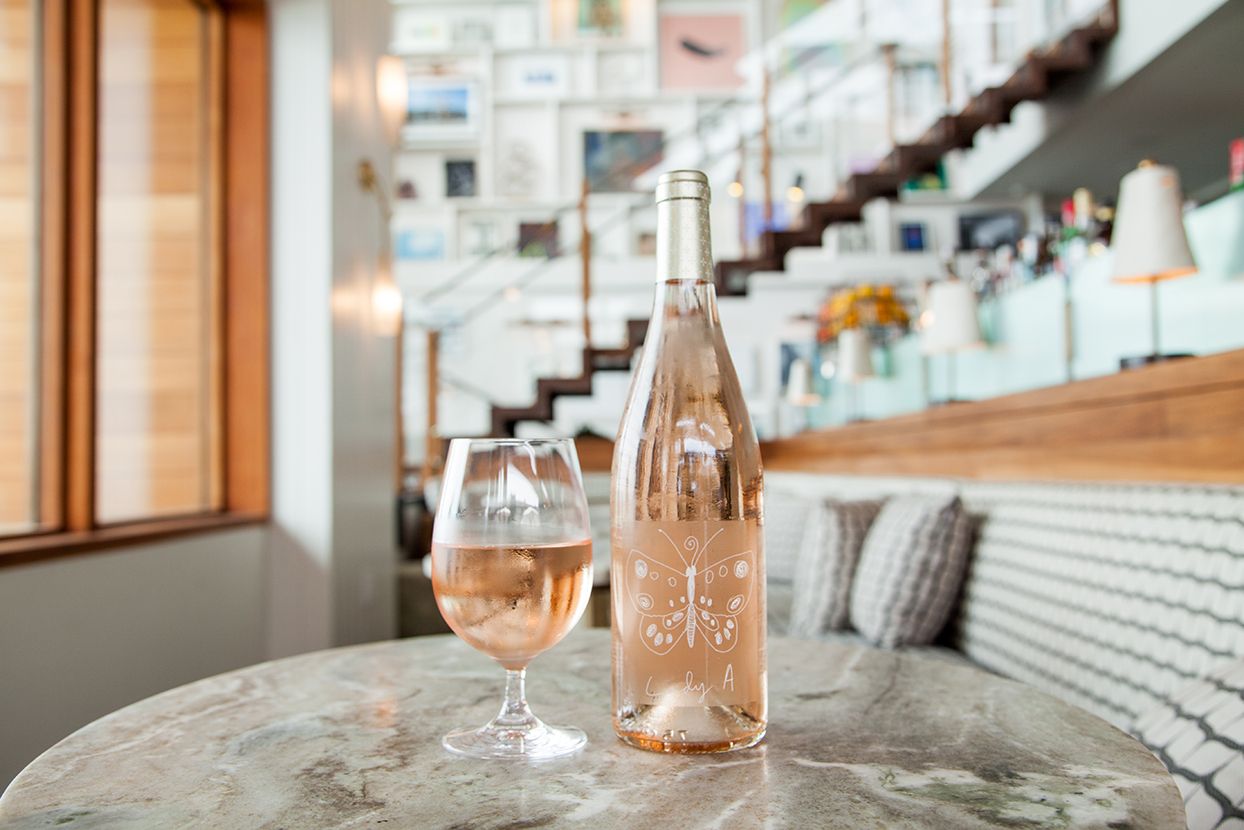

Walk into any wine shop and you’ll find rosé occupying an increasingly prominent shelf space. But here’s what most casual drinkers don’t realize: that pink wine isn’t just one thing wearing different labels.
The category encompasses a spectrum of production methods, flavor profiles, and regional traditions that would surprise anyone who thinks rosé begins and ends with summer sipping. That assumption falls apart the moment you compare a bone-dry Provence rosé with a sweet White Zinfandel, or pit a Spanish rosado against a sparkling rosé from Champagne. These aren’t variations on a theme. They’re fundamentally different approaches to winemaking that happen to share a color.
Production method creates the foundation
Three primary techniques shape rosé production, and each creates distinctly different wines. Direct pressing involves immediately pressing red grapes to extract just enough color before fermentation begins. This method, favored in Provence, produces the palest rosés with delicate flavors and crisp acidity.
Maceration takes the opposite approach.
Red grapes sit with their skins for hours or days before pressing, allowing deeper color extraction and more pronounced fruit flavors. Most rosés from the Loire Valley and many New World producers use this technique, which explains why their wines often display more intensity than their Provençal counterparts.
Saignée (French for “bleeding”), treats rosé as a byproduct of red wine production. Winemakers drain off juice early in red wine fermentation to concentrate the remaining red wine while creating rosé from the extracted juice. Critics argue this approach prioritizes the red wine over the rosé, but supporters point to the intense flavors it can produce. The debate misses the point. Each method targets different goals.
Regional styles tell different stories
Geography shapes rosé as much as technique, and nowhere is this more evident than in the contrast between European and New World approaches.
Provence rosé has become the global standard for dry, pale pink wines. These wines typically blend Grenache, Cinsault, and Syrah grapes to create ethereal wines with subtle fruit notes and mineral undertones. The region’s limestone soils and Mediterranean climate produce rosés that seem designed for seaside terraces, though their restraint can frustrate drinkers seeking more obvious fruit expression.
Spanish rosado challenges this delicate archetype entirely. These wines often display deeper color and more robust fruit flavors, reflecting Spain’s preference for longer skin contact and different grape varieties like Tempranillo and Garnacha. The style feels more substantial, less whisper than declaration, and pairs better with Spain’s more aggressive cuisine.
German and Austrian producers craft rosé (often called “Weissherbst”) from single grape varieties, creating wines that express varietal character more clearly than blended styles. In regions where rosé and blush wine discounts make experimentation affordable, consumers discover how dramatically terroir influences the final product.
Sweetness levels fragment the category
Bone-dry rosés from places like Sancerre contain virtually no residual sugar, creating wines that pair with food as readily as white wines. Off-dry rosés retain slight sweetness that balances acidity and boosts fruit flavors without crossing into dessert wine territory. The balance requires precision most winemakers struggle to achieve consistently.
Sweet rosé represents a completely different animal. American White Zinfandel contains significant residual sugar and targets a different consumer preference entirely. Critics dismiss these wines as simple, but they’ve introduced countless people to rosé and maintain massive market share despite industry disdain.
Sparkling complicates everything
Sparkling rosé represents perhaps the most complex category within rosé production, largely because it combines the challenges of rosé color extraction with the technical demands of secondary fermentation.
Champagne houses create rosé through blending (adding red wine to white) or direct pressing of red grapes. Traditional method’s secondary fermentation adds layers of complexity that still rosé can’t match, but at a cost that puts premium sparkling rosé out of reach for most consumers. Quality sparkling rosé requires significant investment in time and technique.
Prosecco rosé, officially recognized only in 2020, uses the Charmat method to preserve primary fruit flavors while adding effervescence. These wines taste different from their Champagne counterparts, lighter and more immediately fruit-forward. They’ve also opened new price points that make sparkling rosé accessible to everyday wine drinkers.
Sparkling rosé production reveals how arbitrary some wine categories really are. Is a blanc de noirs Champagne (made from red grapes but appearing nearly colorless) closer to rosé or white wine? The answer depends on production details most consumers never consider.
New directions expand boundaries
New World producers continue expanding rosé’s boundaries in ways that would perplex traditional European winemakers. Orange-pink wines blur lines between rosé and orange wine. Natural winemakers experiment with extended skin contact and wild fermentation. Some producers age rosé in oak, challenging the category’s reputation for immediacy and freshness.
These developments suggest rosé’s diversity will only increase as winemakers discover new markets and consumers become more sophisticated. What seemed like a simple category twenty years ago now encompasses dozens of distinct styles, each reflecting different priorities about color, flavor, and consumer expectations.
The pink wine revolution isn’t just about volume. It’s about complexity.