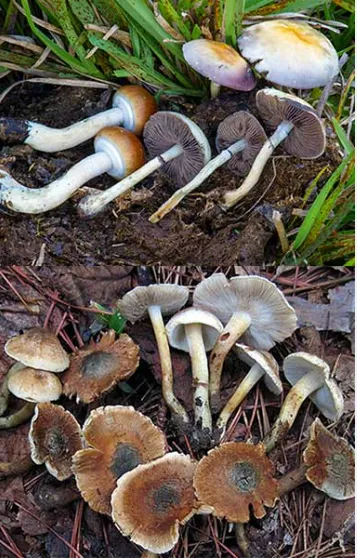
Magic mushrooms have fascinated humans for thousands of years. Known for containing the naturally occurring psychedelic compound psilocybin, these mushrooms have been used in traditional ceremonies, spiritual practices, and, more recently, scientific research exploring their effects on the brain and mental well-being.
Today, interest in psychedelic mushrooms continues to grow as researchers study their unique properties and consumers seek to learn more about the different species available. Educational resources such as https://shrumfuzed.com have helped increase awareness about mushroom varieties, their history, and the rapidly expanding world of psychedelic wellness.
One common misconception is that all magic mushrooms are the same. In reality, there are over 180 known species of psilocybin-containing mushrooms, each with its own characteristics, potency levels, growing conditions, and reported effects.
In this guide, we’ll explore the most popular types of magic mushrooms, their unique traits, and what makes each species different.
What Are Magic Mushrooms?
Magic mushrooms are fungi that contain psychoactive compounds known as:
-
Psilocybin
-
Psilocin
When consumed, psilocybin is converted into psilocin within the body.
Psilocin interacts with serotonin receptors in the brain, particularly the 5-HT2A receptor, which plays a role in:
-
Perception
-
Mood
-
Cognition
-
Sensory processing
Although many species contain these compounds, their potency and characteristics can vary significantly.
Why Different Species Matter
Different mushroom species may vary in:
-
Psilocybin concentration
-
Psilocin concentration
-
Growth patterns
-
Physical appearance
-
Geographic distribution
These differences can influence potency and the overall experience associated with each species.
1. Psilocybe cubensis
Overview
Psilocybe cubensis is by far the most widely known and cultivated magic mushroom species.
Because of its accessibility and ease of cultivation, it has become the most recognizable psilocybin mushroom worldwide.
Characteristics
-
Golden or caramel-colored caps
-
Thick stems
-
Moderate potency
-
Widely available
Commonly Known Varieties
Popular strains include:
-
Golden Teacher
-
B+
-
Penis Envy
-
Amazonian
-
Cambodian
Reported Effects
Users often describe:
-
Enhanced visual perception
-
Increased introspection
-
Emotional awareness
-
Altered thinking patterns
For beginners learning about psychedelic mushrooms, Psilocybe cubensis is usually the species most frequently encountered.
2. Psilocybe semilanceata (Liberty Caps)
Overview
Often called Liberty Caps, Psilocybe semilanceata is one of the most widely distributed wild psilocybin mushroom species.
It naturally grows throughout:
-
Europe
-
North America
-
South America
-
New Zealand
Characteristics
-
Small pointed cap
-
Thin stem
-
Naturally occurring species
-
High psilocybin concentration
Reported Effects
Liberty Caps are often regarded as more potent than many Psilocybe cubensis varieties by weight.
Users frequently report:
-
Strong visual effects
-
Enhanced sensory perception
-
Deep introspection
3. Psilocybe azurescens
Overview
Psilocybe azurescens is often considered one of the most potent naturally occurring psilocybin mushrooms.
Originally identified in the Pacific Northwest region of the United States, it has gained a reputation for its high alkaloid content.
Characteristics
-
Broad caramel-colored cap
-
Strong potency
-
Wood-loving species
-
Coastal habitat preference
Reported Effects
Due to its potency, users commonly describe:
-
Intense visual experiences
-
Altered perception of time
-
Deep cognitive effects
-
Strong sensory enhancement
4. Psilocybe cyanescens (Wavy Caps)
Overview
Known as Wavy Caps, Psilocybe cyanescens is another highly potent species.
It is named after the distinctive wavy edges that develop on mature caps.
Characteristics
-
Wavy cap edges
-
Wood-chip habitats
-
High potency
-
Cool-weather growth
Reported Effects
Users often report:
-
Vivid visuals
-
Enhanced imagination
-
Altered thought patterns
-
Strong sensory experiences
5. Psilocybe mexicana
Overview
Psilocybe mexicana holds a special place in psychedelic history.
This species was traditionally used by indigenous communities in Mexico and played a major role in psychedelic shrooms introducing psilocybin mushrooms to Western researchers during the 1950s.
Characteristics
-
Small size
-
Historical significance
-
Traditional ceremonial use
Reported Effects
Users commonly describe:
-
Enhanced introspection
-
Emotional insight
-
Visual changes
-
Spiritual experiences
Its historical importance makes it one of the most famous species in psychedelic culture.
6. Psilocybe tampanensis
Overview
Psilocybe tampanensis is known not only for producing mushrooms but also for forming underground structures called sclerotia.
These sclerotia are sometimes referred to as “magic truffles.”
Characteristics
-
Produces sclerotia
-
Moderate potency
-
Unique growth cycle
Reported Effects
Users often report:
-
Clear-headed experiences
-
Visual enhancement
-
Creative thinking
-
Positive mood changes
7. Psilocybe caerulescens
Overview
Psilocybe caerulescens is another historically significant species native to Mexico and Central America.
It has been associated with traditional ceremonial use for centuries.
Characteristics
-
Medium-sized caps
-
Warm climate preference
-
Strong cultural history
Reported Effects
Reported experiences include:
-
Visual effects
-
Introspection
-
Enhanced emotional awareness
Comparing Magic Mushroom Potency
Different species can vary dramatically in alkaloid content.
Lower to Moderate Potency
-
Psilocybe cubensis
-
Psilocybe tampanensis
Moderate to High Potency
-
Psilocybe semilanceata
-
Psilocybe mexicana
High Potency
-
Psilocybe cyanescens
-
Psilocybe azurescens
However, potency can vary even within the same species depending on:
-
Genetics
-
Growing conditions
-
Harvest timing
-
Storage methods
Factors That Influence Effects
Several variables may influence a person’s experience.
Dosage
One of the most important factors affecting intensity.
Individual Biology
Responses vary from person to person.
Environment
The surrounding setting can influence the overall experience.
Mindset
Personal expectations and emotional state often play a role.
Why Researchers Study Psilocybin Mushrooms
Scientific interest in magic mushrooms has grown substantially over the past two decades.
Researchers are currently exploring:
-
Brain connectivity
-
Neuroplasticity
-
Emotional processing
-
Cognitive flexibility
-
Mental wellness applications
As research expands, different species may become subjects of further scientific investigation.
Frequently Asked Questions
What Is the Most Common Magic Mushroom?
Psilocybe cubensis is the most commonly cultivated and widely recognized magic mushroom species.
Which Magic Mushroom Is the Strongest?
Psilocybe azurescens is often considered among the most potent naturally occurring psilocybin mushroom species.
Are All Magic Mushrooms the Same?
No. Different species vary in potency, appearance, habitat, and alkaloid content.
What Is a Liberty Cap Mushroom?
Liberty Cap is the common name for Psilocybe semilanceata, one of the most widespread wild psilocybin species.
Why Are Different Species Important?
Species differences help researchers, cultivators, and consumers better understand potency, biology, and historical significance.
Final Thoughts
Magic mushrooms encompass a diverse group of psilocybin-containing fungi, each with its own unique characteristics and history. From the widely recognized Psilocybe cubensis to highly potent species such as Psilocybe azurescens and Psilocybe cyanescens, the world of psychedelic mushrooms is far more diverse than many people realize.
Understanding the different types of magic mushrooms helps provide valuable context about their biology, traditional use, and scientific importance. As psychedelic research continues to expand, these fascinating fungi will likely remain at the center of discussions surrounding neuroscience, wellness, and human consciousness for years to come.