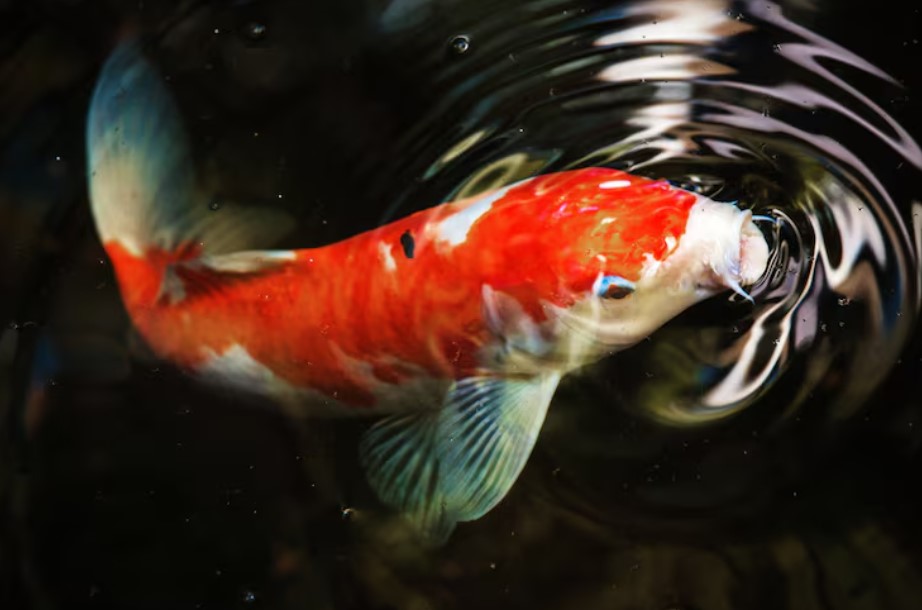
Koi are beautiful pond fish known for their bright colors, patterns, and active feeding behavior. But what do koi fish eat, and how do you choose food that supports their health?
The right Koi fish food should provide a balanced combination of protein, fats, carbohydrates, vitamins, and minerals. Feeding requirements can also change based on water temperature, fish size, age, activity, and season.
Fish owners may see many options when shopping, including Cichlid Food, Betta fish food, sinking pellets, and fish food tablets & Wafers. However, foods designed for other fish should not automatically become the main diet for koi.
This guide explains what koi eat, how to choose suitable food, how often to feed them, and which common feeding mistakes beginners should avoid.
What Do Koi Fish Eat?
Koi are omnivores. This means they can consume both plant and animal-based foods.
In a pond environment, koi may naturally eat:
-
Aquatic insects
-
Insect larvae
-
Small crustaceans
-
Algae
-
Plant material
-
Worms
-
Other organic matter
However, a managed koi pond usually cannot provide everything the fish need naturally.
A quality commercial Koi fish food is therefore commonly used as the foundation of their diet.
The best formulas are designed specifically around the nutritional requirements and feeding habits of koi.
What Nutrients Do Koi Need?
Koi need several important nutrients to maintain normal growth and body condition.
Protein
Protein supports growth, muscle development, and tissue maintenance.
Young, growing koi generally have higher protein needs than mature fish.
Common protein sources in commercial foods may include:
-
Fish meal
-
Krill
-
Shrimp meal
-
Insect proteins
-
Plant proteins
The quality and digestibility of protein are as important as the percentage listed on the package.
Fats
Dietary fats provide concentrated energy and supply essential fatty acids.
The right amount of fat can support:
-
Energy
-
Growth
-
Cell function
-
Overall condition
Food should be stored properly because fats can become rancid over time.
Carbohydrates
Koi can use carbohydrates as an energy source, although they should be part of a balanced formula rather than the main focus.
Vitamins and Minerals
Quality koi diets typically contain vitamins and minerals that support normal growth, immune function, metabolism, and skeletal health.
Types of Koi Fish Food
Commercial koi foods are available in several forms.
Understanding the differences can make choosing food easier.
Floating Pellets
Floating pellets are among the most popular options for koi.
They allow owners to watch fish eat at the surface.
This makes it easier to:
-
Monitor appetite
-
Check individual fish
-
Remove uneaten food
-
Control portions
Floating pellets are available in different sizes for small and large koi.
Fish Food Sinking Pellets
Fish food sinking pellets move toward the bottom instead of remaining at the surface.
They may be useful for fish that prefer feeding deeper in the water.
Sinking food can also help shy fish that do not compete well at the surface.
However, uneaten sinking pellets can be harder to notice.
Too much uneaten food can break down and affect water quality, so portions should be carefully controlled.
Fish Food Tablets & Wafers
Fish food tablets & wafers are commonly associated with bottom-feeding aquarium species.
Wafers may contain:
-
Algae
-
Spirulina
-
Plant ingredients
-
Protein sources
Koi may investigate or consume some sinking foods, but tablets and wafers formulated for other species should not automatically replace a complete koi diet.
Always check the product label and intended species.
The primary food should meet the nutritional needs of koi.
Can Koi Eat Cichlid Food?
Cichlid Food is formulated primarily for cichlids, and nutritional formulas can vary significantly because different cichlid species have different diets.
Koi may eat some cichlid pellets if offered, but willingness to eat a food does not mean it is nutritionally ideal.
Cichlid food should generally not replace species-appropriate Koi fish food as the regular diet.
If you keep both koi and cichlids, use food formulated for each fish whenever possible.
Can Koi Eat Betta Fish Food?
Betta fish food is designed for bettas, which have very different nutritional needs and feeding habits from koi.
Bettas generally need protein-rich diets designed for their small mouths and carnivorous tendencies.
Koi are larger omnivorous pond fish.
While a koi might eat betta pellets, Betta fish food is not designed to provide the appropriate everyday nutrition or feeding format for koi.
Use species-specific foods as the main diet for each fish.
How to Choose the Best Koi Fish Food
When shopping for koi food, consider several factors.
Choose a Koi-Specific Formula
Start with food labeled for koi or suitable pond fish.
Check the Ingredient List
Look for recognizable protein sources and a balanced nutritional profile.
Choose the Correct Pellet Size
Pellets should match the size of your fish.
Very small koi need smaller food than large adults.
Consider Water Temperature
Koi metabolism changes as water temperature changes.
Their feeding requirements therefore vary throughout the year.
Consider Fish Age
Young koi may require food designed to support growth, while mature koi may need a maintenance-focused diet.
Feeding Koi During Different Seasons
Koi are ectothermic, meaning their metabolism is strongly influenced by water temperature.
This makes seasonal feeding especially important.
Spring
As pond temperatures rise, koi gradually become more active.
Begin feeding according to water temperature and the recommendations for your food product.
Easily digestible formulas may be useful during cooler periods.
Summer
Warmer conditions generally increase koi activity and appetite.
This is often a period of stronger growth.
A balanced diet can support:
-
Energy
-
Growth
-
Body condition
-
Color
However, warm water also holds less dissolved oxygen, so water quality and aeration remain important.
Fall
As temperatures decrease, koi activity and digestion begin slowing.
Feeding should be adjusted accordingly.
Winter
In cold climates, koi metabolism can slow significantly.
Depending on water temperature, feeding may need to be greatly reduced or stopped.
Follow temperature-based feeding guidance rather than feeding according to the calendar alone.
How Often Should You Feed Koi?
There is no single feeding schedule suitable for every pond.
Feeding frequency depends on:
-
Water temperature
-
Fish size
-
Fish age
-
Food formula
-
Pond conditions
-
Oxygen levels
-
Water quality
During suitable temperatures, koi may be fed multiple small meals rather than one oversized serving.
Follow the feeding instructions provided with your chosen food and adjust based on fish behavior and environmental conditions.
How Much Food Should You Give Koi?
Overfeeding is one of the most common koi care mistakes.
Offer only an amount the fish can consume within a short feeding period.
Watch carefully while feeding.
If large amounts remain uneaten, you are probably offering too much.
Overfeeding can lead to:
-
Uneaten food
-
Increased fish waste
-
Higher nutrient levels
-
Poor water quality
-
Additional pressure on filtration
Feeding more does not necessarily produce healthier or faster-growing fish.
Color-Enhancing Koi Fish Food
One reason koi are so popular is their beautiful coloration.
Some commercial diets contain ingredients marketed to support natural pigmentation.
Common ingredients may include:
-
Spirulina
-
Krill
-
Carotenoid-rich ingredients
Nutrition can support coloration, but genetics, water quality, overall health, and environmental conditions also influence how koi look.
Color-enhancing food should still provide balanced nutrition.
Growth Formulas for Young Koi
Young koi need nutrients to support development.
Growth-focused foods may contain higher levels of quality protein and other nutrients.
However, fast growth should never come at the expense of:
-
Water quality
-
Balanced nutrition
-
Proper stocking
-
Healthy pond conditions
Monitor both fish growth and water parameters.
Can Koi Eat Fruits and Vegetables?
Koi can eat certain plant-based foods as occasional additions to a balanced diet.
Depending on the fish and pond management plan, owners sometimes offer suitable foods such as:
-
Peas
-
Lettuce
-
Watermelon
-
Orange
These foods should be treats rather than the main diet.
Remove uneaten fresh food before it decomposes.
Always check whether a particular food is suitable before adding it to your pond.
Common Koi Feeding Mistakes
Feeding Too Much
Overfeeding creates unnecessary waste and can reduce water quality.
Feeding the Same Amount Year-Round
Koi metabolism changes with water temperature.
Using Food Designed for Other Fish
Cichlid Food and Betta fish food may be excellent for their intended species but are not automatically suitable as a complete koi diet.
Ignoring Pellet Size
Food that is too large may be difficult for smaller koi to eat.
Using Old Food
Fish food loses quality after prolonged or improper storage.
Ignoring Sinking Food
Uneaten fish food sinking pellets can remain hidden on the pond bottom and contribute to waste.
Choosing Food Only for Color
Color enhancement should not replace balanced nutrition.
How to Store Koi Fish Food
Proper storage helps preserve freshness and nutritional quality.
Keep food:
-
Tightly sealed
-
In a cool, dry location
-
Away from direct sunlight
-
Protected from moisture
-
Away from insects and pests
Avoid buying extremely large bags unless your fish can consume the food while it remains fresh.
Check expiration dates and manufacturer storage instructions.
Koi Food vs Other Types of Fish Food
Fish foods are designed around different species and feeding behaviors.
Koi fish food is formulated for omnivorous pond fish and is available in pellet sizes suited to koi.
Cichlid Food is designed around the requirements of different cichlid species.
Betta fish food is typically formulated for the higher-protein requirements of bettas.
Fish food sinking pellets describe a feeding format rather than one specific nutritional formula.
Fish food tablets and wafers are often designed for bottom-feeding aquarium species.
Choosing food based on species and nutritional requirements is more reliable than choosing it only by pellet shape or whether the fish will eat it.
Build a Better Koi Feeding Routine
Healthy koi nutrition begins with a quality, species-appropriate diet.
Choose Koi fish food that matches your fish’s size, life stage, and current water temperature. Feed controlled portions, monitor how quickly food is eaten, and adjust feeding as seasonal conditions change.
Other foods, including Cichlid food, Betta fish food, fish food sinking pellets, and fish food tablets & wafers, may have specific purposes for different fish and aquarium setups. Do not assume they are interchangeable.
Combine good nutrition with proper filtration, oxygenation, water testing, and pond maintenance to create better conditions for long-term koi care.
Frequently Asked Questions
1. What is the best food for koi fish?
A balanced commercial Koi fish food formulated specifically for koi or suitable pond fish is generally the best foundation. Choose a formula appropriate for the fish’s size, age, and water temperature.
2. Can koi eat Cichlid Food?
Koi may eat some Cichlid Food, but cichlid formulas are designed for different species. A koi-specific diet is generally more appropriate for regular feeding.
3. Are Fish Food Sinking Pellets good for koi?
Some fish food sinking pellets are formulated for koi and can be suitable. Check the intended species and nutritional profile rather than choosing food based only on whether it sinks.
4. Can koi eat Betta Fish Food?
Koi may consume Betta fish food, but it is formulated for bettas and should not be used as the regular diet for koi.
5. Are Fish Food Tablets & Wafers suitable for koi?
Some koi may eat Fish Food Tablets & Wafers, but many products are designed for bottom-feeding aquarium fish. Check the label and use a complete koi-specific food as the primary diet.